
 By Admin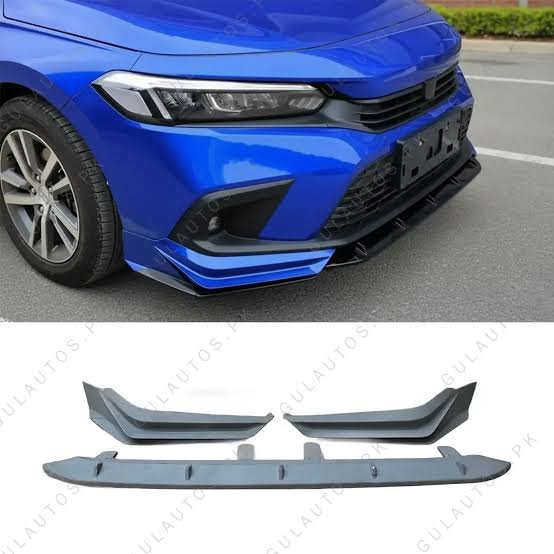
If you want to change the appearance of your car, bodykits can be one of the most noticeable upgrades you can make. A bodykit can give an ordinary vehicle a sportier, more bodykits aggressive, luxurious, or customized appearance. However, before purchasing one, it is important to understand how much bodykits cost and what factors can affect the final price.
The cost of a bodykit can vary significantly depending on the vehicle, materials, design, brand, number of components, and installation requirements. Some basic kits may be relatively affordable, while premium custom bodykits can cost several thousand dollars. Understanding these costs will help you choose the right option for your vehicle and budget.
A bodykit is a collection of exterior components designed to modify the appearance of a vehicle. Depending on the package, it may include front bumpers, rear bumpers, side skirts, front splitters, rear diffusers, spoilers, fender extensions, or other styling components.
Bodykits are available for many different makes and models. Some are designed specifically for a particular vehicle, while others are custom-made or require modifications for proper fitment.
Besides improving appearance, some professionally designed bodykits can also influence airflow around the vehicle. However, most buyers choose them primarily for styling and personalization rather than performance.
The price of bodykits can range from a few hundred dollars to several thousand dollars. A basic kit may cost approximately $500 to $1,500, while mid-range options can range from $1,500 to $3,500. Premium or highly customized bodykits can cost $4,000 or significantly more.
These prices generally refer to the bodykit components themselves and may not include painting, preparation, installation, shipping, or additional modifications.
Basic bodykits are often suitable for buyers who want to make noticeable visual changes without spending a large amount of money. These kits may contain a few major components, such as a front bumper, side skirts, and rear bumper.
Prices commonly start around several hundred dollars, although quality and fitment can vary between manufacturers. Budget options can be attractive, but buyers should carefully check the material quality and compatibility before ordering.
Mid-range bodykits generally offer a better combination of styling, materials, fitment, and finish. They may include more components and offer designs inspired by performance or luxury vehicles.
Depending on the vehicle and manufacturer, these kits can cost between approximately $1,500 and $3,500. For many enthusiasts, this category provides a good balance between cost and quality.
Premium bodykits are designed for buyers who want distinctive styling, higher-quality materials, and excellent fitment. Some premium kits are manufactured by well-known automotive styling companies, while others may be custom-designed for individual vehicles.
Carbon fiber, advanced composite materials, and complex designs can significantly increase the cost. Premium bodykits may cost $4,000, $5,000, or much more depending on the project.
Several factors determine the overall cost of bodykits. Understanding these factors can help you compare different options more accurately.
Material is one of the biggest influences on price. Fiberglass is often less expensive and can be used for many aftermarket applications. Polyurethane and ABS plastic can offer flexibility and durability, while carbon fiber is generally more expensive because of its lightweight construction and premium appearance.
The right material depends on your budget, vehicle usage, desired appearance, and expectations for durability.
A complete bodykit usually costs more than an individual component. For example, purchasing only a front bumper will generally be less expensive than buying a package containing a front bumper, rear bumper, side skirts, diffuser, spoiler, and fender extensions.
Before comparing prices, check exactly what is included in each package.
Some vehicles have a larger aftermarket market than others. Popular sports cars and luxury vehicles often have many available styling options, which can make finding compatible bodykits easier.
Less common vehicles may require custom manufacturing or modifications, increasing the total cost.
Simple designs are usually less expensive than highly detailed or custom designs. Aggressive styling, wide-body configurations, specialized aerodynamic elements, and custom shapes can increase both manufacturing and installation costs.
The purchase price is not always the final price of a bodykit project. Installation and painting can add a significant amount to your budget.
Professional installation may involve removing existing components, fitting new parts, making adjustments, and securing everything correctly. Depending on the complexity of the kit and local labor rates, installation can range from several hundred dollars to considerably more.
Painting is another major expense. Most bodykits arrive unpainted, meaning they need to be prepared, color-matched, painted, and finished. If several panels need to be painted, the cost can increase quickly.
For this reason, always calculate the complete project cost rather than looking only at the advertised kit price.
Cheap bodykits can be worth considering if you have a limited budget, but price should not be the only factor. Poor-quality components may have inconsistent fitment, require extensive modification, or need additional preparation before painting.
A slightly more expensive kit from a reputable manufacturer may save money in the long term by reducing installation problems and additional bodywork.
Before buying inexpensive bodykits, look for information about material, fitment, customer reviews, installation requirements, and warranty coverage.
Choosing the right bodykit starts with identifying your goals. Decide whether you want a subtle styling upgrade, a sporty appearance, a luxury-inspired design, or a complete transformation.
Next, establish a realistic budget that includes the kit, shipping, installation, painting, and possible modifications.
It is also important to confirm compatibility with your exact vehicle year, trim, and model. Even small differences between vehicle versions can affect fitment.
Fitment is one of the most important considerations when buying bodykits. A kit that is advertised for your vehicle may still require adjustments depending on the manufacturer and production specifications.
Ask the seller whether the components are designed as direct replacements or whether professional modification is expected.
A bodykit is an investment in your vehicle’s appearance, so quality should be considered alongside price. Durable materials, accurate manufacturing, and reliable fitment can make the installation process easier and improve the finished result.
The best option depends on your project. A complete kit can provide a consistent appearance because all components are designed to work together. It may also be more convenient than purchasing each component separately.
However, individual parts can be better if you only want to change certain areas of your vehicle. For example, adding a new front lip or side skirts may provide the visual improvement you want without the expense of a complete conversion.
So, how much do bodykits cost? The answer depends on the vehicle, materials, design, manufacturer, and scope of the project. Basic options can start at several hundred dollars, while premium and customized bodykits can reach several thousand dollars.
Remember that the advertised kit price is only part of the overall investment. Painting, installation, shipping, preparation, and potential modifications should all be included in your budget.
By researching materials, checking fitment, comparing manufacturers, and calculating the complete project cost, you can choose bodykits that match both your vehicle and your budget. Whether you want a subtle visual upgrade or a complete exterior transformation, careful planning can help you achieve a professional-looking result without unexpected expenses.