
 By Jackson
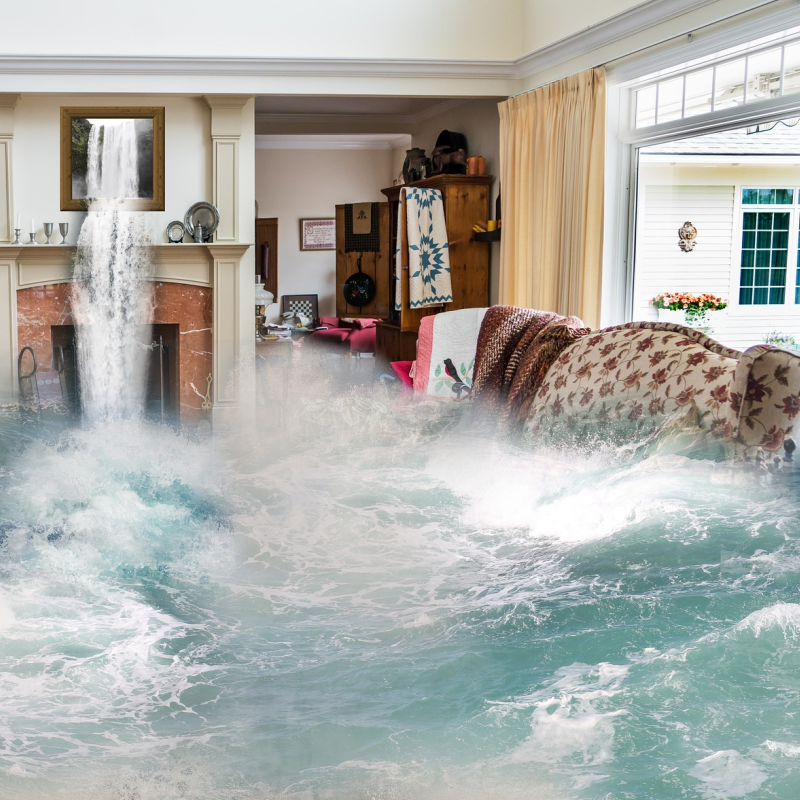
Water intrusion is one of the most destructive events a property owner can face. Whether triggered by severe Midwest storms, frozen and burst plumbing pipes during cold Nebraska winters, or an unnoticed appliance leak, standing moisture poses an immediate threat to residential and commercial structures. Left unaddressed, water quickly migrates deep into building materials, setting off a chain reaction of structural decay, dangerous mold growth, and severe financial strain.
When emergency water disasters strike, localized expertise becomes invaluable. Omaha water damage restoration professionals possess the specialized tools, industry certifications, and local climate understanding required to intervene rapidly. By executing a comprehensive, multi-stage remediation strategy, these experts safeguard properties from immediate chaos and prevent long-term, irreversible damage.
Water possesses an extraordinary ability to penetrate porous construction materials. Within minutes of a leak or flood, moisture travels through drywall, subflooring, insulation, and concrete foundations. While surface water may appear easy to clean up with conventional towels or shop vacuums, the unseen water trapped behind walls and beneath flooring creates long-term structural and environmental hazards.
Drywall absorbs water like a sponge, leading to sagging, crumbling, and eventual structural collapse. Wooden framework and subflooring warp, swell, and rot over time when exposed to prolonged dampness. Over a extended period, unaddressed water infiltration can compromise the structural integrity of an entire building, leading to costly major rebuilds.
Mold spores exist naturally in the air but require moisture and organic materials to colonize. In as little as 24 to 48 hours after a water intrusion event, active mold colonies can begin multiplying inside wall cavities, HVAC systems, and carpets. Beyond degrading building materials, airborne mold spores pose serious health risks to occupants, including respiratory irritation, severe allergic reactions, and prolonged health complications.
When water meets electrical wiring, outlets, or appliances, it creates an immediate risk of short circuits, electrical fires, and electrocution hazards. Additionally, trapped moisture elevates indoor humidity levels, damaging nearby furniture, electronics, and personal belongings that were not directly touched by the initial water source.
Addressing Omaha water damage demands speed, precision, and heavy-duty equipment. Professional restoration technicians undergo extensive training from organizations like the Institute of Inspection, Cleaning and Restoration Certification (IICRC) to ensure every step of the restoration process complies with strict safety and performance standards.
Water damage does not adhere to standard business hours. Whether a pipe bursts at midnight or a flash flood strikes over a holiday weekend, professional restoration teams maintain 24/7 emergency response availability. Arriving at the scene quickly is the single most effective way to limit total property loss and suppress mold development.
Not all water intrusion events are identical. Certified experts evaluate the situation by identifying the category of water involved:
- Category 1 (Clean Water): Originates from sanitary sources like broken supply lines or sink overflows.
- Category 2 (Gray Water): Contains significant chemical or biological contamination, such as discharge from washing machines, dishwashers, or sump pump failures.
- Category 3 (Black Water): Highly toxic water containing sewage, surface floodwater, or dangerous pathogens requiring specialized hazardous waste handling and safety gear.
Properly categorizing the water guarantees that technicians select the appropriate safety measures, extraction protocols, and antimicrobial treatments.
To return a compromised structure to a safe, pre-loss condition, Omaha water damage specialists execute a methodical, multi-phase plan.
[Emergency Assessment & Source Containment]
                    │
                    ▼
[High-Powered Water Extraction]
                    │
                    ▼
[Industrial Structural Drying & Dehumidification]
                    │
                    ▼
[Sanitization, Antimicrobial & Odor Control]
                    │
                    ▼
[Final Structural Repairs & Reconstruction]
Professional technicians do not rely on visual inspection alone. Using non-invasive thermal imaging cameras, pinless moisture meters, and thermo-hygrometers, restoration specialists map out the exact footprint of hidden moisture behind drywall, under tile, and beneath hardwood subfloors.
The fastest way to dry a building is to physically extract liquid water. Restoration professionals deploy industrial-grade, truck-mounted extraction units and heavy-duty submersible pumps capable of removing hundreds of gallons of standing water per minute. Rapid extraction drastically reduces drying times and halts further deep moisture absorption.
Once surface water is gone, high-velocity air movers and commercial low-grain refrigerant (LGR) dehumidifiers are strategically positioned throughout the space. Air movers force trapped moisture out of porous construction materials, while dehumidifiers pull moisture from the surrounding air and pump it safely out of the building. Daily moisture logs are maintained to track drying progress until materials reach scientific dry standards.
Water damage often leaves behind unpleasant odors, bacteria, and microscopic contaminants. Technicians apply EPA-registered antimicrobial, antifungal, and antibacterial solutions to eliminate pathogens and stop mold growth. Advanced thermal fogging and hydroxyl generators are used to neutralize stubborn odors deep within structural fibers.
Beyond physical cleanup, managing an Omaha water damage emergency involves navigating complex insurance procedures and structural repairs. Professional restoration providers streamline these challenges to minimize stress for property owners.
Dealing with property insurance policies after a disaster can be overwhelming. Restoration experts assist property owners by documenting every detail of the damage. They capture detailed photographs, complete comprehensive moisture logs, compile line-item repair estimates, and communicate directly with insurance adjusters to ensure claims are processed quickly and accurately.
Many professional restoration companies offer complete end-to-end solutions. After the drying and sanitization stages are finished, skilled tradespeople perform necessary structural repairs. This includes replacing damaged drywall, hanging new insulation, refinishing or replacing flooring, and repairing trim and cabinetry to fully restore the property to its original condition.
Water intrusion events require swift, expert intervention to prevent temporary localized spills from escalating into permanent structural disasters. Relying on basic DIY methods often leaves behind hidden moisture pockets that invite toxic mold and cause long-term structural decay.
By enlisting certified Omaha water damage experts, property owners gain access to specialized industrial equipment, technical precision, and comprehensive restoration services. From immediate emergency extraction to final insurance claim settlement, professional restoration protects structural integrity, safeguards occupant health, and preserves long-term property value.