
 By Jackson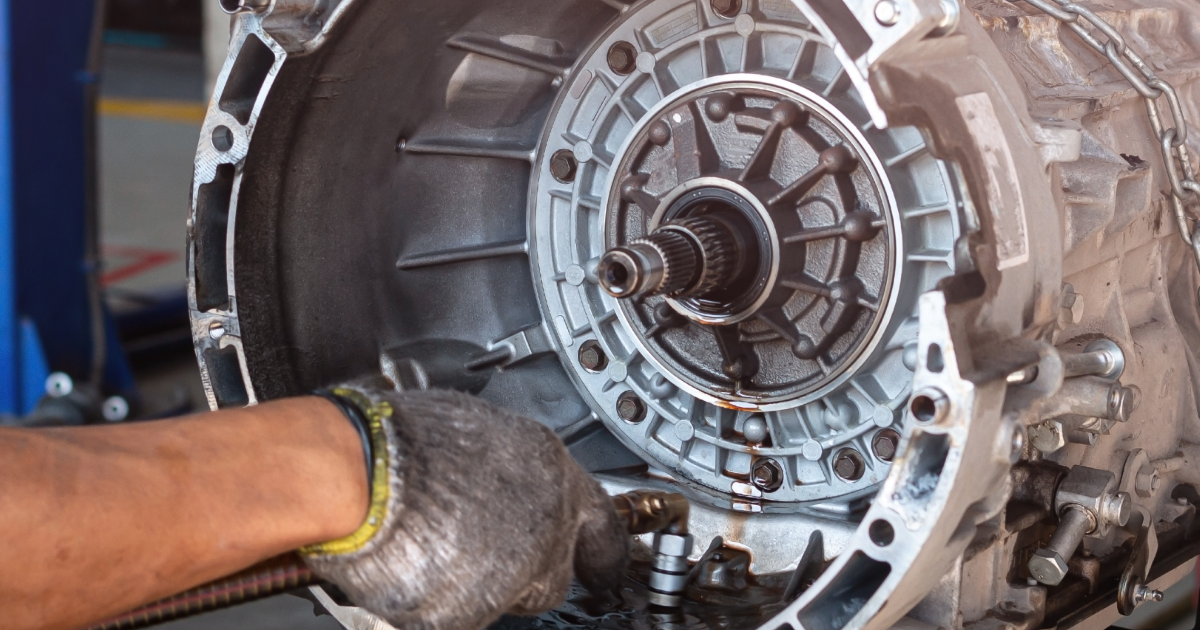
Your vehicle is a complex machine made up of thousands of moving parts, but few systems are as vital to its daily operation as the transmission. Whether you drive a commuter sedan, a heavy-duty pickup truck, or an SUV, your transmission is responsible for transferring power from the engine to the wheels while ensuring your vehicle shifts smoothly through gears. However, when a transmission fluid leak develops, it threatens the entire health of your powertrain. For motorists driving in the scorching environment of the Valley of the Sun, addressing this issue promptly through professional transmission leak repair Phoenix services is crucial to avoiding catastrophic mechanical failure.
Operating a vehicle in Arizona presents unique challenges. The extreme ambient temperatures, combined with heavy stop-and-go traffic on highways like the I-10 and Loop 101, place immense thermal and mechanical stress on automotive components. Transmission fluid plays multiple roles under these harsh conditions: it lubricates moving parts, reduces friction, cleans internal components, and acts as a hydraulic fluid to enable gear shifts. More importantly, it serves as a vital coolant. When a leak occurs, fluid levels drop, temperatures skyrocket, and internal components begin to grind against one another, leading to rapid wear and tear. Understanding why leaks happen, how to spot them early, and where to turn for expert transmission leak repair Phoenix can save you thousands of dollars in costly rebuilds or total replacements.
To prevent future issues and understand the scope of a necessary repair, it helps to know what causes transmission fluid to escape in the first place. Several components in your vehicle’s transmission system can degrade over time, a process accelerated by the unique climate of Arizona.
Inside and outside your transmission, various gaskets and seals keep the pressurized fluid contained. The transmission pan gasket seals the bottom of the transmission housing, while output shaft seals and input shaft seals prevent fluid from leaking where the driveshaft and engine connect. Rubber and cork materials used in these gaskets naturally degrade, harden, and crack over time due to age and high mileage. In Phoenix, the intense summer heat causes these materials to dry out and lose their elasticity much faster than they would in cooler climates, resulting in persistent leaks.
The transmission pan sits at the lowest point of the assembly, leaving it vulnerable to physical damage. Road debris, loose rocks, speed bumps, and potholes can easily dent, puncture, or crack the metal pan. Furthermore, if a previous service was performed improperly, the bolts securing the pan may have been over-tightened, warping the metal flange and creating gaps where fluid can seep out.
Transmission cooler lines transport hot fluid from the transmission to the radiator or an auxiliary cooler and back again. These metal and rubber hoses are subjected to constant vibration, pressure fluctuations, and extreme heat cycles. Over the years, the rubber portions can dry rot or crack, while metal lines can develop pinhole leaks from corrosion or rubbing against other undercarriage components.
The torque converter is a complex hydraulic coupling device located between the engine and the transmission. It relies on a front pump seal to keep fluid contained under high pressure. If this seal fails due to excessive heat or wear, it will cause a significant and steady leak, often pooling fluid right between the engine and the transmission housing.
Catching a transmission leak early can mean the difference between a simple, inexpensive fix and a total transmission replacement. Because modern transmissions are sealed units, they do not consume fluid the way engines consume oil. If your fluid level is low, it means it is going somewhere it shouldn’t. Watch out for these primary warning signs:
One of the most obvious indicators of a problem is discovering a puddle or spots on your driveway or garage floor. Fresh transmission fluid is typically bright red or pinkish with a somewhat sweet or tart odor. As it ages, picks up microscopic clutch debris, and gets exposed to high heat, it darkens into a deep red, brown, or even black color and may develop a burnt smell. If you spot a fluid pool underneath the front-middle section of your vehicle, investigate immediately.
When fluid levels drop too low, the hydraulic pressure required to actuate gear shifts is compromised. You might notice that your vehicle hesitates, stumbles, or delays significantly when you shift from Park into Drive or Reverse. While driving, the engine might rev up loudly, but the car fails to accelerate smoothly, or it may unexpectedly slip out of gear while cruising down the highway.
A healthy transmission shifts seamlessly from one gear to the next. If you feel harsh clunks, thumps, or jerky movements every time the transmission changes gears, it is a clear sign that internal components lack proper hydraulic pressure and lubrication. Ignoring this symptom will rapidly accelerate the destruction of clutch packs and gears.
If transmission fluid leaks onto the hot exhaust pipe or catalytic converter, it will burn off and produce a distinct, unpleasant burnt odor. Additionally, if the fluid level is critically low, the remaining fluid overheats rapidly, causing an internal burning smell inside the cabin. Never ignore unusual odors coming from your vehicle.
Modern vehicles are equipped with sophisticated computer systems that monitor transmission temperature, slip ratios, and fluid pressure. If sensors detect abnormalities caused by a leak, the dashboard will illuminate the check engine light or a dedicated transmission warning symbol. Scanning the vehicle with an OBD-II diagnostic tool can often confirm pressure-related trouble codes.
When you bring your vehicle to a certified specialist for transmission leak repair Phoenix drivers trust, the technician will first perform a comprehensive diagnostic inspection. This typically involves lifting the vehicle, cleaning off old residue, adding a UV dye to the fluid if necessary, and pinpointing the exact source of the leak. Once the root cause is identified, several effective repair options are available depending on the severity and location of the leak.
If the leak originates from the transmission pan, the repair process is straightforward. The technician will drain the old fluid, remove the transmission pan, clean the mating surfaces thoroughly, and install a brand-new gasket—often made of durable rubber or cork composite. The pan is then reinstalled and torqued precisely to factory specifications, followed by a refill of fresh, high-quality transmission fluid.
When rusted, cracked, or punctured cooler lines are the culprit, patching is rarely a permanent solution due to the high operating pressures involved. The standard fix is to replace the damaged lines entirely with OEM or heavy-duty aftermarket replacements. Ensuring these lines are securely routed and shielded from friction prevents future failures.
Replacing input shaft seals, output shaft seals, or front pump seals is more labor-intensive because it often requires dropping the transmission or separating it from the engine to access the internal components. While the labor cost is higher due to the complexity of the job, replacing these worn rubber components restores a tight seal and stops leaks at their source.
In worst-case scenarios where a leak has gone unnoticed for too long, low fluid levels may have caused catastrophic internal damage, burning out the clutches and scoring metal parts. In these instances, simply fixing the leak is no longer enough. The vehicle will require a complete transmission overhaul or rebuild, where the unit is removed, completely disassembled, cleaned, worn parts replaced, and all seals renewed before being reinstalled.
Given the punishing climate of Arizona, proactive maintenance is your best defense against premature transmission failure and costly leaks. By taking a few preventative steps, you can significantly extend the lifespan of your vehicle’s powertrain.
- Regular Fluid Checks: Routinely check your transmission fluid dipstick if your vehicle is equipped with one. Look at both the level and the color of the fluid. If it looks dark, murky, or smells burnt, schedule a fluid exchange.
- Adhere to Shorter Service Intervals: Standard manufacturer guidelines for fluid changes may assume moderate climates. In extreme heat environments like Phoenix, it is wise to change your transmission fluid and filter more frequently—typically every 30,000 to 50,000 miles.
- Inspect Your Parking Spot: Make a habit of glancing at the ground beneath your car before driving off. Catching a small drop of red fluid today prevents a massive puddle and a broken-down vehicle tomorrow.
- Invest in Professional Inspections: During routine oil changes or seasonal tune-ups, ask your mechanic to specifically inspect the transmission pan, cooler lines, and exterior seals for early signs of weeping or seepage.
A transmission leak is never a problem that resolves itself; in fact, it always worsens with time and heat. Ignoring the warning signs or delaying service can turn a minor gasket replacement into an expensive transmission rebuild, leaving you stranded in the intense Arizona heat. By staying vigilant, recognizing symptoms like fluid puddles and rough shifting, and seeking professional transmission leak repair Phoenix specialists offer at the first sign of trouble, you can protect your investment, ensure reliable transportation, and keep your vehicle running smoothly for years to come.