
 By Jackson
Pets need more than food, water, shelter, and physical exercise to live happy and healthy lives. They also need mental stimulation to keep their minds active, satisfy their natural instincts, and prevent boredom. Whether you have a playful puppy, an energetic adult dog, a curious kitten, or a relaxed older cat, providing opportunities to explore, learn, and solve problems can significantly improve their everyday lives. Mental enrichment helps pets develop confidence, engage with their surroundings, and build stronger relationships with their owners.
In modern households, pets often spend considerable time indoors while their owners work, study, or manage other responsibilities. Although a comfortable home provides safety, it may not always offer enough variety to satisfy an animal’s curiosity. Without interesting activities, some pets may become restless, seek attention through unwanted behaviours, or lose interest in their surroundings. Simple activities, such as hiding treats, introducing new toys, practising basic commands, and creating safe exploration areas, can make an important difference.
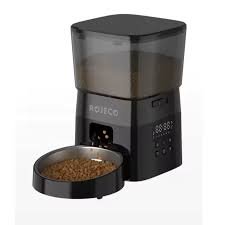
Technology can also support an engaging pet care routine. Smart feeders, interactive toys, and pet water fountains can introduce variety and convenience into daily care. Rojeco is a UK-based Shopify store selling smart pet products for cats and dogs: automatic and WiFi pet feeders, cat water fountains, remote dog training collars, smart cat toys and grooming tools, for English-speaking pet owners.
By combining everyday enrichment activities with suitable pet products, owners can create an environment that encourages curiosity and healthy habits. The following ideas explain practical ways to keep pets mentally stimulated while making daily life more enjoyable for both animals and their families.
Interactive toys are among the simplest ways to encourage mental activity in pets. Unlike ordinary toys that provide entertainment through movement or chewing alone, interactive toys invite animals to investigate, chase, manipulate, or solve small challenges. These experiences encourage curiosity and help pets remain engaged with their environment.
For dogs, interactive toys may include treat-dispensing balls, food puzzles, and durable toys that encourage appropriate chewing. Cats often enjoy toys that resemble prey, such as moving objects, feather wands, and lightweight balls. Rotating several toys throughout the week can help maintain interest without constantly purchasing new products.
Choose toys according to your pet’s size, age, temperament, and chewing habits. Always supervise activities involving unfamiliar toys, particularly when small parts or loose materials could be swallowed. Damaged toys should be replaced promptly.
Smart cat toys can provide additional variety by encouraging movement and exploration. Some models feature automatic movement or interactive functions that attract a cat’s attention. However, electronic toys should complement rather than replace human interaction.
A few minutes of enjoyable play each day can provide both mental engagement and opportunities for bonding.
Mealtimes offer an excellent opportunity to introduce mental stimulation into a pet’s routine. Instead of always presenting food in the same bowl, owners can occasionally use appropriate food puzzles or slow-feeding products to encourage pets to work gradually for their meals.
For dogs, treat-dispensing toys can make feeding more interesting by requiring them to move or manipulate an object to release small portions of food. Cats may enjoy puzzle feeders that encourage them to use their paws and investigate different compartments.
These activities engage problem-solving skills while adding variety to an otherwise predictable routine. They may also help some fast eaters slow down, depending on the design of the feeder and the animal’s eating habits.
Automatic and WiFi pet feeders can support consistent feeding schedules, especially when owners have busy routines. Some products allow feeding times and portions to be managed through connected features. Nevertheless, automated feeding should not eliminate personal observation. Owners still need to monitor appetite, eating behaviour, and general wellbeing.
When introducing a new feeding activity, start with an easy option and gradually increase the challenge if your pet remains comfortable. Ensure that food puzzles are easy to clean and suitable for the type of food being served.
Training is not only about teaching obedience. It is also a valuable form of mental exercise that encourages pets to listen, observe, remember, and respond to cues.
Dogs can learn simple behaviours such as sitting, waiting, coming when called, or going to a designated resting area. Cats can also learn useful behaviours, including responding to their names, entering a carrier voluntarily, or touching a target with their nose.
Keep training sessions short and positive. Several brief sessions may be more effective than one long lesson, particularly for young animals or pets that become distracted easily. Use rewards your pet enjoys, such as small treats, praise, or a favourite toy.
Positive reinforcement encourages desired behaviours by rewarding them. Avoid frightening, painful, or intimidating training methods, which can create stress and damage trust.
Once your pet understands a basic cue, introduce small variations. Practising a familiar behaviour in a different room, for example, encourages your pet to respond in a new context.
Training provides mental stimulation while improving communication between animals and their owners. It can also make everyday activities, including grooming, travelling, and veterinary visits, more manageable over time.
Pets naturally investigate the world through their senses. A stimulating home environment gives them opportunities to observe, smell, climb, explore, and make choices safely.
For cats, consider providing stable climbing structures, scratching posts, comfortable resting shelves, and hiding places. A window perch can offer opportunities to observe birds, people, and changing outdoor conditions. Ensure that windows are securely protected against falls or escapes.
Dogs may benefit from access to different safe areas of the home, appropriate sniffing opportunities, and supervised exploration of new surroundings. Even small environmental changes, such as introducing a new cardboard box or moving a favourite toy to another safe location, can create interest.
Environmental enrichment should always account for individual needs. A confident young cat may enjoy climbing and exploring, while an older cat may prefer accessible resting platforms and gentle activities close to the ground.
Keep household chemicals, electrical cables, toxic plants, medicines, and small swallowable objects out of reach. Check new objects carefully before allowing pets to investigate them.
A thoughtfully arranged environment gives pets more control over their daily experiences. This variety can reduce monotony and encourage healthy curiosity without requiring complicated equipment.
Treat-hiding games are an inexpensive way to encourage natural searching behaviour. Dogs particularly enjoy using their noses to locate food, while many cats enjoy investigating small hiding places and following interesting scents.
To begin, show your pet a small treat and place it somewhere easy to find. Encourage your pet to search, then reward the successful discovery. As your pet becomes familiar with the activity, gradually introduce a few additional hiding places.
For dogs, you can hide treats in several accessible locations around one room. For cats, place small portions of suitable food in safe, easy-to-reach areas or use a puzzle designed specifically for feline enrichment.
Keep the activity manageable. Avoid hiding food in areas containing cleaning products, fragile objects, narrow gaps, or other hazards. Never place treats where pets might climb dangerously or become trapped.
Account for treats within your pet’s daily food allowance, and supervise the activity when necessary. If you have several pets, conduct separate sessions when competition over food could create tension.
These games provide an engaging combination of scent work, movement, attention, and problem-solving. They can also be adapted to suit different energy levels, making them useful for pets that cannot participate in vigorous exercise.
Technology has created new ways to support enrichment and everyday pet care. Smart products can make certain activities more convenient while helping owners establish consistent routines.
For example, automatic feeders can dispense measured meals at scheduled times, while WiFi-enabled models may allow owners to manage feeding remotely through compatible applications. Cat water fountains encourage investigation through flowing water, and interactive toys can introduce additional movement and variety.
Rojeco offers smart pet products designed for cats and dogs, including automatic and WiFi pet feeders, cat water fountains, smart cat toys, grooming tools, and remote dog training collars. Pet owners looking for convenient ways to support everyday care can visit website to explore the available product categories and determine which options suit their household.
However, technology should be selected according to an animal’s actual needs rather than novelty alone. A pet that dislikes noisy or unpredictable toys may prefer a simple food puzzle or quiet exploration activity. Similarly, an automatic feeder cannot replace checking that food has been dispensed correctly or ensuring that a pet is eating normally.
Read product instructions carefully, maintain connected devices, and inspect toys regularly for damage. Introduce new equipment gradually so that pets have time to become comfortable with unfamiliar sounds and movements.
The most effective approach combines useful technology with direct interaction, observation, and affection.
For dogs, walks provide much more than physical exercise. They also offer valuable opportunities to gather information through smell. Allowing a dog to investigate suitable scents can make a walk mentally engaging, even when the route is familiar.
Instead of rushing through every walk, incorporate occasional sniffing breaks. Let your dog explore safe patches of grass, investigate appropriate outdoor objects, and follow interesting scents while remaining under control.
Changing walking routes occasionally introduces different smells, textures, and sights. Visiting a quiet park or another suitable environment can provide additional variety, provided that your dog is comfortable with the surroundings.
Pay attention to your dog’s body language. Some animals enjoy busy environments, while others find crowds, traffic, or unfamiliar dogs overwhelming. Choose routes and activities that match your pet’s confidence and abilities.
Cats that live indoors can also benefit from supervised exploration. Depending on their temperament, some may enjoy a secure enclosed garden, a protected outdoor enclosure, or gradual harness training. Outdoor access is not necessary for every cat, and safety should remain the priority.
Scent-based enrichment is particularly useful because it encourages animals to engage with their surroundings at their own pace. It can turn an ordinary walk or exploration session into an opportunity for curiosity and learning.
Keeping every toy available at all times may cause some pets to lose interest in familiar objects. Toy rotation introduces variety without requiring owners to purchase something new every week.
Begin by selecting several safe toys that your pet already enjoys. Leave a small selection accessible and store the others in a clean location. After a few days, replace some of the available toys with alternatives.
Different toys can serve different purposes. A dog might have one suitable chewing toy, one food puzzle, and one toy for interactive play. A cat might enjoy a feather wand during supervised sessions, a rolling ball, and a puzzle feeder.
Observe which items attract the most interest. Some pets prefer toys that move, while others enjoy investigating objects that contain food or make interesting sounds. There is no universal selection that suits every animal.
Remember that toy rotation does not mean leaving pets unattended with unsuitable objects. Wand toys with strings, small detachable parts, and items that can be swallowed should be stored safely after play.
A simple rotation schedule adds novelty to familiar activities and helps owners make better use of the toys they already own.
Many pets benefit from positive social experiences, although the amount and type of interaction they enjoy can vary considerably.
Dogs may enjoy playing with familiar people, learning new cues with family members, or meeting compatible dogs in suitable environments. Arrange introductions carefully and give each animal the option to move away. Not every dog wants to interact with every other dog, and forcing social contact can create anxiety.
Cats often benefit from predictable, respectful interaction with their owners. Interactive play, gentle grooming when welcomed, and quiet time together can support trust. Some cats enjoy companionship from other animals, while others prefer having their own space.
Children should be taught to approach pets calmly, recognise signs of discomfort, and avoid disturbing animals while they eat, sleep, or retreat to a safe area.
Social enrichment should never be measured simply by how much contact a pet receives. Quality, comfort, and choice are more important than constant attention.
When pets can choose whether to participate, they are more likely to feel secure in their environment. Respecting those choices supports healthy relationships and helps owners understand individual personalities.
Controlled exposure to new experiences can provide mental stimulation and help pets become more comfortable with changes in their surroundings.
For example, a pet might investigate a new washable mat, explore a cardboard box, or hear a household sound at a low volume. The objective is to encourage calm curiosity rather than overwhelm the animal.
Introduce one change at a time and allow your pet to approach voluntarily. Reward relaxed investigation if your pet enjoys food rewards, and provide an easy way to leave the area.
For puppies and kittens, appropriate early experiences can help them become familiar with ordinary household situations. Adult and older pets can also benefit from gentle novelty, provided the activities suit their health and temperament.
Avoid exposing pets suddenly to loud noises, unfamiliar crowds, slippery surfaces, or situations that make them visibly distressed. If an animal retreats, freezes, or repeatedly tries to escape, reduce the intensity of the experience and allow time to recover.
Novelty does not need to be dramatic. Small, manageable changes can provide sufficient interest while preserving a sense of security.
Grooming can become a useful part of a pet’s daily routine when it is introduced gradually and handled with care. Brushing, checking paws, and gently examining ears can provide opportunities for positive interaction while helping owners notice changes in their pet’s condition.
Start with brief sessions and reward calm participation. Allow your pet to investigate the grooming brush before using it, and focus initially on areas where gentle touch is comfortable.
Some pets enjoy brushing, while others are sensitive to handling. Never force a prolonged session when an animal shows clear signs of discomfort. Cats and dogs with difficult coats, skin problems, or particular grooming requirements may need advice from a veterinarian or professional groomer.
Suitable grooming tools can make routine care more convenient. Rojeco includes pet grooming tools among its product offerings, giving owners another category to consider when organising their pets’ care routines.
Grooming is not a substitute for play or problem-solving activities, but it can support familiarity, trust, and cooperation. A calm approach helps pets associate routine handling with predictable, positive experiences.
Mental stimulation works best when it matches the individual animal. Age, mobility, confidence, health, and previous experiences all influence the types of activities a pet will enjoy.
Puppies and kittens generally benefit from short, varied sessions with simple challenges. Their activities should be safe and appropriate for their developing bodies. Adult animals may enjoy more complex food puzzles, longer scent games, or additional training challenges.
Older pets can remain mentally engaged through gentle exploration, familiar training cues, easy-to-use puzzle feeders, and comfortable social interaction. Activities should be adjusted for changes in vision, hearing, movement, or stamina.
Personality matters just as much as age. An energetic dog may enjoy searching games and interactive play, while a cautious dog may prefer quiet training in a familiar room. A curious cat may investigate a new toy immediately, whereas another cat may need several days to become comfortable with it.
Observe how your pet responds. Signs of enjoyment may include voluntary participation, relaxed body language, and returning to an activity. Repeated avoidance, frustration, or excessive agitation suggests that the activity may need adjustment.
The goal is not to make every activity challenging. It is to provide appropriate opportunities for learning, curiosity, and enjoyment.
Mental stimulation does not have to require hours of preparation. A flexible daily schedule can help owners introduce variety without making pet care difficult to manage.
For example, a typical day might include a short training session in the morning, an interactive feeding activity at mealtime, a sniffing walk for a dog, and supervised play later in the day. An indoor cat might enjoy a puzzle feeder, a short wand-toy session, and time observing the outdoors from a secure window perch.
The schedule should reflect your household routine and your pet’s needs. Some animals prefer several short activities spread throughout the day, while others enjoy one longer supervised play session combined with quieter enrichment opportunities.
Avoid overstimulating pets by scheduling demanding activities continuously. Rest, sleep, and undisturbed downtime are essential parts of a healthy routine.
It can be useful to keep a simple record of activities your pet enjoys. This helps you identify favourite games, notice changes in interest, and introduce variety when an activity becomes too familiar.
Consistency is more valuable than complexity. A few engaging activities repeated regularly can provide meaningful enrichment without requiring expensive equipment or elaborate planning.
Boredom is one possible reason for changes in behaviour, but it is not the only explanation. Destructive behaviour, excessive vocalisation, withdrawal, restlessness, or changes in play habits can sometimes indicate stress, discomfort, or an underlying medical problem.
Rather than assuming that every behavioural change results from insufficient stimulation, consider the full picture. Check whether your pet’s routine has changed, whether it receives appropriate exercise and rest, and whether its environment provides sufficient opportunities for safe activity.
Consult a veterinarian if a behaviour change is sudden, persistent, or accompanied by changes in appetite, drinking, mobility, toileting, or general wellbeing. A qualified behaviour professional may also help when anxiety, fear, or recurring behavioural difficulties interfere with daily life.
Avoid punishment for behaviours that may arise from stress or unmet needs. Instead, identify possible causes, make suitable environmental adjustments, and seek professional advice when necessary.
Mental enrichment should improve a pet’s quality of life rather than become another source of pressure. Activities need to be enjoyable, manageable, and appropriate for the animal.
Keeping pets mentally stimulated is an important part of responsible ownership. Interactive toys, food puzzles, positive training, scent games, safe exploration, and meaningful social interaction all provide opportunities for animals to use their natural abilities. These activities can make daily routines more interesting while supporting confidence, engagement, and stronger relationships with their owners.
Technology can complement these simple practices. Automatic feeders, WiFi pet feeders, cat water fountains, smart toys, and grooming tools may help owners organise particular aspects of everyday care. Rojeco is a UK-based Shopify store offering smart pet products for cats and dogs, with options designed to support feeding, hydration, play, and grooming. Owners can visit website to explore its range and consider which products are appropriate for their pets.
However, mental enrichment does not depend on expensive equipment. A short training session, a new scent to investigate, or a carefully supervised treat-hiding game can provide valuable stimulation.
The most effective routine is one that respects each pet’s personality, age, comfort, and individual needs. By combining thoughtful activities with regular observation, appropriate veterinary care, and plenty of positive interaction, owners can create a more engaging environment in which their cats and dogs can thrive.