
 By Admin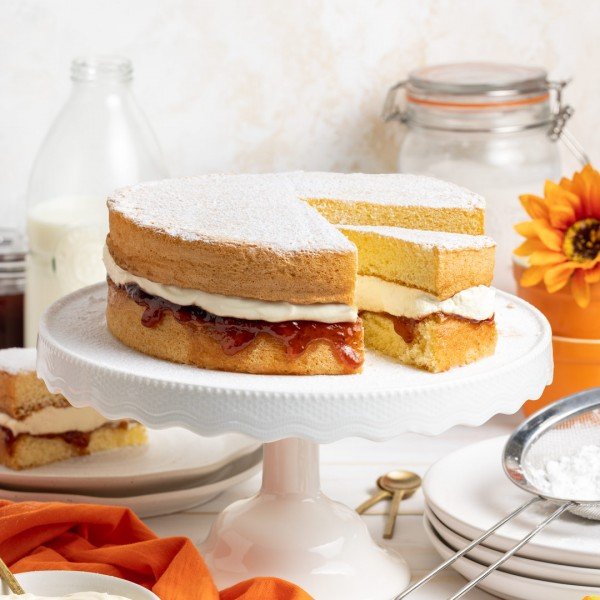
Biskvitas is a versatile and comforting baked treat that can easily become part of almost any meal or celebration. Known for its light texture and pleasant sweetness, this type of sponge cake can be served in many different ways. Whether you are looking for a simple breakfast option, something enjoyable with afternoon tea, or an elegant dessert for a special gathering, biskvitas offers plenty of possibilities. Its adaptable nature makes it easy to pair with fruit, cream, chocolate, jams, and other ingredients.
One of the main attractions of biskvitas is its soft and airy texture. A well-prepared sponge cake provides a delicate base that can be enjoyed on its own or transformed into a more elaborate dessert. Because it has a relatively mild flavor, it works well with both simple and rich toppings.
The basic ingredients commonly associated with sponge cake include eggs, flour, sugar, and flavoring ingredients such as vanilla or citrus zest. The exact preparation can vary, but careful mixing and baking help create the characteristic light structure. Once baked, biskvitas can be sliced, layered, decorated, or served warm and fresh.
This flexibility makes it suitable for different occasions. A plain slice can be ideal for a quick morning meal, while the same cake can become a layered dessert for birthdays, holidays, or family celebrations.
Breakfast does not always have to involve complicated recipes. A fresh slice of biskvitas can provide a simple and enjoyable way to start the day. Serve it alongside fresh berries, sliced bananas, apples, or peaches for a naturally colorful breakfast.
For a more satisfying option, spread a thin layer of fruit preserve over the cake. Strawberry, raspberry, apricot, and blueberry preserves can complement the mild sweetness of sponge cake. A little Greek-style yogurt or softly whipped cream can also add richness without requiring extensive preparation.
Another idea is to lightly toast slices of biskvitas and serve them with fresh fruit and a drizzle of honey. Toasting can give the surface a slightly crisp texture while keeping the center soft. This approach is particularly useful when you have leftover cake that is no longer as fresh as it was on the day it was baked.
Tea time is one of the easiest occasions for enjoying biskvitas. A simple slice pairs naturally with black tea, green tea, herbal tea, or coffee. Because the cake is not necessarily overpowering, it allows the flavor of the beverage to remain noticeable.
For an elegant afternoon serving, cut the cake into small squares or fingers. Add a dusting of powdered sugar and place fresh berries on top. You can also add a small spoonful of whipped cream to individual portions.
If you prefer stronger flavors, consider adding lemon zest, orange zest, cinnamon, or vanilla to the cake. Chocolate-based toppings can also turn a basic sponge cake into a more indulgent tea-time treat. Even a small amount of melted chocolate or cocoa-flavored cream can create a completely different dessert experience.
Biskvitas can become the foundation of an attractive celebration cake. Its soft structure makes it suitable for layering with cream, fruit, custard, or other fillings. For a birthday, for example, you can bake a sponge cake, divide it into layers, and fill each layer with whipped cream and strawberries.
For a more festive appearance, decorate the outside with cream and arrange colorful fruit across the top. Raspberries, blueberries, strawberries, kiwi, peaches, and cherries can all provide attractive decoration. Chocolate curls, grated chocolate, or finely chopped nuts can also add texture and visual appeal.
Holiday celebrations provide another opportunity to customize biskvitas. Seasonal spices, citrus flavors, dried fruit, or decorative icing can give the cake a special character. The important advantage is that the same basic sponge can be adapted to suit different themes and tastes.
Experimenting with flavors is an easy way to keep biskvitas interesting. Vanilla and strawberry create a classic combination, while lemon and blueberry offer a fresher contrast. Chocolate and cherry can produce a richer dessert, and orange with dark chocolate provides a more sophisticated flavor profile.
For a lighter dessert, combine sponge cake with yogurt and fresh berries. For something more indulgent, use layers of chocolate cream, caramel, or a smooth custard filling. Coconut, almond, hazelnut, and pistachio can also be incorporated into toppings or decorations.
The key is to balance flavors. Since sponge cake is relatively delicate, very strong fillings can overwhelm it. Using complementary ingredients allows the texture and flavor of the cake to remain central.
Good technique plays an important role in achieving a successful biskvitas. Eggs should generally be handled carefully because properly incorporating air can contribute to a lighter texture. When flour is added, gentle mixing helps prevent unnecessary loss of the air developed during preparation.
Accurate measurements are also important. Too much flour can make the cake dense, while excessive liquid can affect its structure. The oven should be properly heated before the cake goes inside, and the cake should be monitored toward the end of baking.
Avoid opening the oven repeatedly during the early part of baking, as sudden temperature changes may affect the rise. Once the cake is finished, allowing it to cool appropriately before adding fillings or decorations can make slicing and assembling much easier.
Leftover sponge cake does not need to go to waste. Cubes of cake can be layered with fruit and cream to create a simple trifle-style dessert. You can also crumble the cake and combine it with frosting to make small cake bites.
Another option is to use thin slices as the base for individual dessert cups. Add yogurt, fruit, custard, and cake in layers for an attractive presentation. Slightly stale biskvitas can also work particularly well in desserts where the cake absorbs moisture from cream or fruit.
For children’s parties, cut the sponge into small shapes and decorate the pieces with melted chocolate, sprinkles, or colorful fruit. This turns a simple cake into a fun finger-food dessert.
The appeal of biskvitas comes from its simplicity and adaptability. It does not need elaborate decoration to be enjoyable, yet it can also serve as the foundation for impressive celebration desserts. With a few additional ingredients, the same sponge cake can move from an everyday breakfast to an elegant afternoon treat or a festive centerpiece.
Whether served plain, paired with fruit, layered with cream, or transformed into a creative dessert, biskvitas provides a dependable starting point for countless recipes. Its light texture and adaptable flavor make it easy to customize according to the season, occasion, and personal preference.
From quiet mornings to lively celebrations, biskvitas proves that a simple sponge cake can be much more than an ordinary baked treat. With thoughtful combinations and a little creativity, it can bring something delicious to almost every occasion.