
 By Admin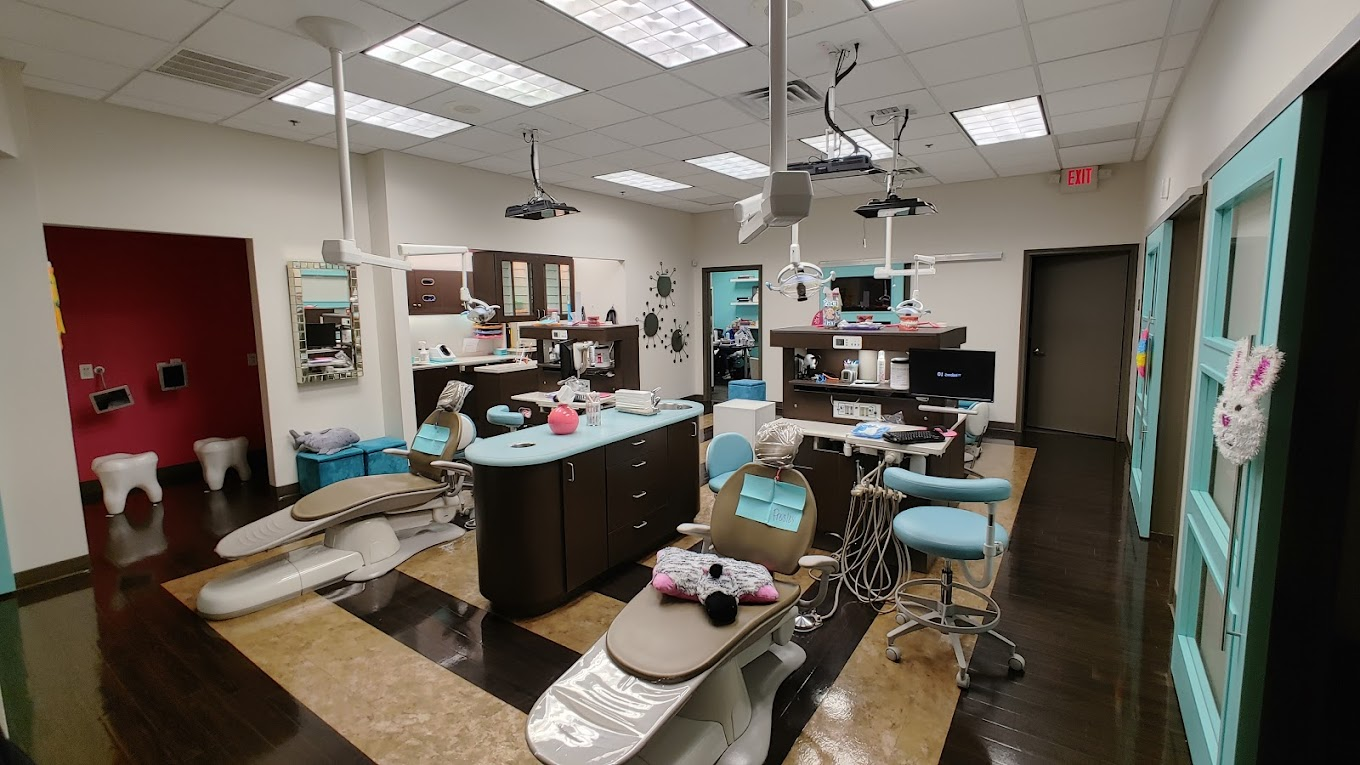
A child’s first dental experiences can shape how they feel about oral healthcare for years to come. When children associate dental visits with comfort, encouragement, and friendly interactions, they are more likely to develop healthy habits and feel confident about visiting the dentist. Frisco Mini Molars children’s dentistry focuses on creating a welcoming environment where young patients can receive age-appropriate dental care while feeling safe, understood, and respected.
Children can sometimes feel nervous when entering an unfamiliar healthcare environment. New sounds, equipment, people, and procedures may seem intimidating. A child-focused dental practice can help reduce these concerns by creating an atmosphere designed specifically for young patients.
A welcoming waiting area, friendly staff, colorful surroundings, and communication suited to a child’s age can make the experience less overwhelming. Instead of treating a dental appointment as something to fear, children can begin to view it as a normal and positive part of growing up.
The goal of Frisco Mini Molars children’s dentistry is to support children emotionally as well as dentally. A calm environment gives young patients time to become comfortable before treatment begins.
Children develop at different rates, so dental communication should match their age and understanding. A toddler may need simple explanations and reassurance, while an older child may appreciate more detailed information about what the dentist is doing.
Explaining procedures in easy-to-understand language can help children feel involved. Dentists and dental team members can introduce instruments gradually, explain what each step means, and answer questions without using unnecessarily complicated terminology.
When children know what to expect, unfamiliar situations can become easier to manage. This approach can also help parents understand how to support their children before and during dental appointments.
Positive dental experiences extend beyond the dental office. Children need consistent guidance at home to develop strong oral hygiene routines. Brushing twice daily with fluoride toothpaste, cleaning between teeth when appropriate, eating a balanced diet, and limiting frequent sugary snacks can all contribute to healthier teeth.
A children’s dental team can teach children why these habits matter instead of simply telling them what to do. For example, explaining that brushing removes bacteria and food particles can make the routine more meaningful.
Young patients can also benefit from demonstrations that show proper brushing techniques. When children participate actively, they may be more motivated to practice their skills at home.
Preventive care is an important part of children’s dentistry. Regular dental examinations allow dental professionals to monitor developing teeth, identify potential concerns, and provide guidance based on each child’s needs.
Professional cleanings can help remove buildup that regular brushing may not completely eliminate. Dental examinations can also help identify early signs of tooth decay or other oral health concerns.
Early attention may prevent small problems from becoming more complicated. Regular visits also give children opportunities to become familiar with the dental environment, which can make future appointments feel more routine.
Dental anxiety can develop for many reasons. Some children may have had an uncomfortable experience in the past, while others may become nervous simply because they do not know what will happen.
A patient and compassionate approach can make a significant difference. Children should be allowed to ask questions and express their concerns. Rushing through an explanation can sometimes increase anxiety, whereas giving a child time to understand the process can build trust.
Positive reinforcement can also encourage cooperation. Praising a child for sitting calmly, opening their mouth, or asking questions can help reinforce confidence.
Parents can contribute by using positive language about dental visits. Avoiding frightening descriptions or sharing personal dental fears can help children approach appointments with a more relaxed attitude.
Trust is central to a successful pediatric dental experience. Children are more likely to cooperate when they feel that the adults around them are listening and responding to their concerns.
A consistent dental team can help children become familiar with the people caring for their smiles. Over time, repeated positive interactions can turn unfamiliar appointments into familiar routines.
The relationship between a child and dental professional can also encourage open communication. When children know they can ask questions, they may become more comfortable discussing tooth sensitivity, discomfort, brushing difficulties, or other concerns.
Parents play an important role in maintaining children’s oral health. Dental appointments can provide useful opportunities for parents to learn about brushing techniques, nutrition, fluoride use, dental development, and preventive care.
Clear communication helps parents understand recommendations and apply them at home. Instead of feeling overwhelmed by complicated dental information, parents can receive practical guidance that fits their child’s daily routine.
Working together, parents and dental professionals can create consistent expectations around oral hygiene. This teamwork can help children understand that caring for their teeth is an everyday responsibility.
Children’s mouths change continuously as they grow. Primary teeth play important roles in chewing, speaking, and maintaining space for permanent teeth. Because of this, protecting baby teeth is an important part of overall pediatric dental care.
As permanent teeth begin to appear, dental professionals can monitor development and identify potential concerns. Regular examinations provide opportunities to discuss changing oral hygiene needs as children become older.
Age-appropriate education can evolve alongside the child. What works for a preschooler may not be appropriate for a preteen, making personalized communication especially valuable.
A successful children’s dental experience does not necessarily mean that every appointment will be completely free of nervousness. Instead, the goal is to help children learn that dental care is safe, manageable, and important.
Small positive experiences can build confidence over time. A child who once felt uncertain about entering a dental office may eventually become comfortable sitting in the dental chair, communicating with the dental team, and participating in treatment.
This gradual development of confidence is one of the most valuable benefits of a child-centered dental approach.
The habits children develop early can influence their oral health well into adulthood. When dental care is introduced through positive experiences, children can develop a healthier attitude toward preventive care and regular examinations.
Frisco Mini Molars children’s dentistry emphasizes the importance of making dental visits comfortable, educational, and encouraging for young patients. By combining preventive care, age-appropriate communication, compassionate interactions, and parental guidance, children’s dentistry can help establish a strong foundation for healthy smiles.
A positive dental experience is about more than completing an appointment. It is about helping children understand their oral health, develop confidence, and recognize dental care as a normal part of staying healthy. With supportive guidance from dental professionals and parents, children can grow into adults who value regular dental care and feel comfortable taking responsibility for their smiles.