
 By Admin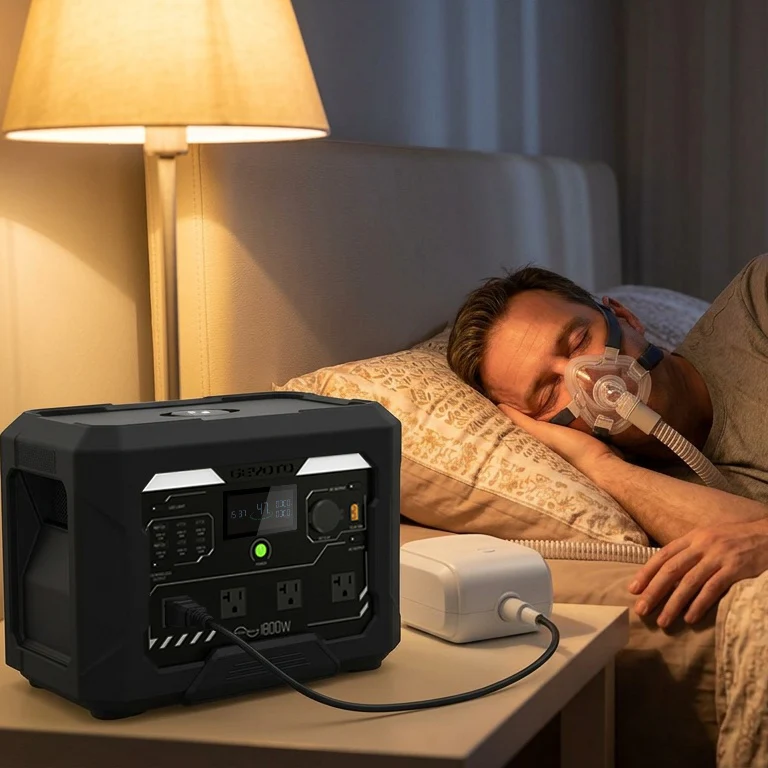
When severe storms hit, power outages are often one of the first and most disruptive consequences. A strong hurricane can damage transmission lines, flood substations, and leave entire neighborhoods without electricity for days or even weeks. This is why having hurricane-ready backup power is no longer a luxury but a necessity for modern households.
A reliable backup system keeps essential appliances running, protects food storage, maintains communication devices, and ensures basic comfort during emergencies. Families that invest in hurricane-ready backup power are far better prepared to handle unpredictable weather events without panic or disruption.
Before choosing a system, it’s important to understand how home backup power works. Essentially, backup systems store or generate electricity that can be used when the main grid fails. These systems range from small portable units to large whole-home generators.
The right choice depends on your household’s energy needs, budget, and how long you expect outages to last. In hurricane-prone regions, flexibility and durability are key factors. A well-designed hurricane-ready backup power setup should be able to handle both short-term interruptions and extended blackouts.
Portable power stations are one of the most popular options for emergency preparedness. These compact units store electricity in built-in lithium batteries and can power devices like phones, routers, lights, and even small appliances.
For many households, a portable station is the first step toward hurricane-ready backup power because it is easy to use, quiet, and safe for indoor operation. Unlike fuel-based generators, it produces no fumes and requires very little maintenance.
However, portable power stations have limitations. They may not be able to run high-demand appliances like central air conditioning or full-sized refrigerators for long periods. Still, they are extremely useful for keeping essential electronics running during the early stages of a power outage.
Solar generators combine portable battery storage with solar panels, allowing users to recharge using sunlight. This makes them an excellent sustainable option for hurricane preparedness, especially when fuel supplies may become limited during emergencies.
A solar-based hurricane-ready backup power system can continuously recharge during daylight hours, providing a renewable cycle of energy. This reduces dependence on the electrical grid and fuel deliveries, which may be delayed during major storms.
The main advantage of solar generators is long-term resilience. While initial setup costs may be higher, the ability to generate free energy from the sun makes them highly cost-effective over time.
For homeowners seeking maximum reliability, standby generators are often the best solution. These systems are permanently installed and automatically activate when the power goes out.
A standby system is one of the most powerful forms of hurricane-ready backup power because it can supply electricity to the entire home, including air conditioning, refrigerators, water pumps, and heating systems.
These generators typically run on natural gas or propane, allowing them to operate for extended periods. The automatic transfer switch ensures a seamless transition during outages, so homeowners may not even notice when the grid goes down.
While standby generators require professional installation and higher upfront costs, they offer unmatched peace of mind during hurricane season.
Modern battery storage systems are becoming increasingly popular in residential energy setups. These systems store electricity from the grid or solar panels and release it when needed.
A battery-based hurricane-ready backup power system is especially useful for households that want quiet, low-maintenance, and eco-friendly energy security. Many systems can be integrated with smart home technology, allowing users to monitor energy usage in real time.
Another advantage is scalability. Homeowners can start with a smaller unit and expand capacity as needed. This flexibility makes battery systems a practical long-term investment for growing energy needs.
Selecting the best hurricane-ready backup power solution depends on several factors. The size of your home, the number of essential appliances, and the expected duration of outages all play a role in decision-making.
Small apartments may only need a portable power station, while medium-sized homes benefit from a combination of solar generators and battery storage. Large households in hurricane-prone areas often require standby generators for full coverage.
It is also important to consider fuel availability, noise levels, maintenance requirements, and installation costs. A balanced approach often involves combining multiple systems for layered protection.
The most effective hurricane preparedness plans use a combination of systems rather than relying on a single solution. This layered approach ensures continuous power availability even if one system fails or runs out of energy.
For example, a homeowner might use a standby generator for heavy appliances, a portable station for electronics, and a solar generator for daytime charging. Together, these create a complete hurricane-ready backup power ecosystem.
This strategy not only increases reliability but also improves energy efficiency and reduces long-term costs.
Safety is a critical part of any backup power plan. Fuel-powered generators must always be used outdoors to prevent carbon monoxide poisoning. Proper ventilation and regular maintenance are essential.
Electrical overload is another common issue. Homeowners should avoid plugging too many devices into a single system. Using surge protectors and properly rated extension cords helps prevent damage.
A well-planned hurricane-ready backup power setup should always prioritize safety alongside performance.
The best time to prepare for power outages is long before a storm is forecast. Testing equipment, charging batteries, and stocking fuel supplies can make a major difference during emergencies.
Homeowners should also create an energy priority list, identifying which appliances are most critical during an outage. This ensures efficient use of available power and prevents unnecessary strain on systems.
By planning ahead, families can fully benefit from their hurricane-ready backup power systems when they are needed most.
Hurricane preparedness is about more than just physical safety—it is also about maintaining stability and comfort during uncertain times. Investing in the right backup systems ensures that households remain functional even when the grid goes down.
Whether through portable stations, solar solutions, or full standby generators, every home can build a reliable energy backup strategy. The key is choosing systems that match your needs and combining them for maximum resilience.
With a well-designed hurricane-ready backup power plan, families can face storm season with confidence, knowing they are prepared for whatever comes next.