
 By Admin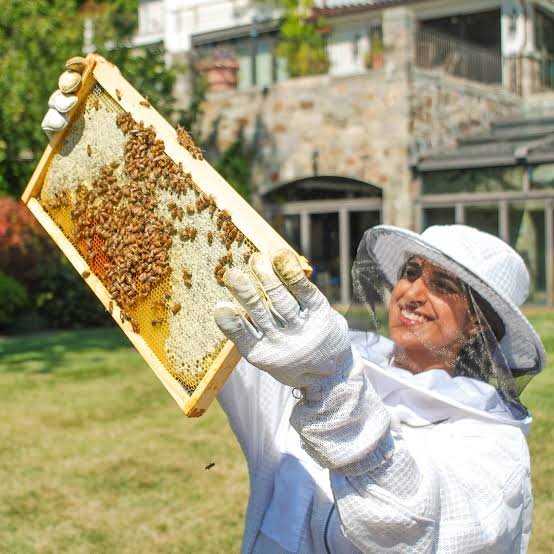
Beekeeping is the practice of maintaining honey bee colonies in managed hives. It is a fascinating activity that combines nature, agriculture, observation, and practical Stephen Gleave Ancaster skills. People choose beekeeping for many reasons, including producing honey, supporting pollination, learning about insects, and enjoying an outdoor hobby. With the right knowledge and preparation, beginners can gradually learn how to manage a healthy and productive bee colony.
Beekeeping involves caring for honey bees and providing them with a suitable environment in which they can build colonies. A beekeeper manages hives, monitors the health of the bees, checks food supplies, controls pests when necessary, and harvests honey when conditions are appropriate.
Honey bees live in highly organized colonies. Each colony generally contains a queen, worker bees, and drones. The queen’s primary role is reproduction, while worker bees perform many tasks, including collecting nectar and pollen, feeding developing bees, cleaning the hive, and protecting the colony. Drones have a reproductive role and are usually present in greater numbers during the warmer part of the year.
One of the main attractions of beekeeping is the opportunity to work closely with nature. Observing thousands of bees working together can provide an interesting insight into animal behavior and communication.
Honey production is another common reason people become beekeepers. When colonies are strong and environmental conditions are suitable, bees can produce surplus honey that can be collected and enjoyed.
Beekeeping also contributes to pollination. Bees visit flowers while collecting nectar and pollen, transferring pollen between plants in the process. This makes healthy bee populations valuable to gardens, farms, orchards, and natural ecosystems.
Before starting a hive, beginners need appropriate equipment. The hive is the central structure where the colony lives. There are several hive designs, and the best choice can depend on local climate, management practices, and beekeeper preference.
A beekeeper also needs protective clothing. A bee suit or jacket, gloves, and a veil can help reduce the chance of stings during hive inspections. Beginners should learn how to work calmly and carefully around bees rather than making sudden movements.
A smoker is another important tool. It produces cool smoke that can help calm bees temporarily during hive inspections. A hive tool is commonly used to separate hive components, remove frames, and perform other routine tasks.
Other useful supplies can include feeders, containers, frames, and equipment for honey harvesting. Beginners should learn how each tool is used before attempting their first inspection.
Location is an important part of successful beekeeping. Bees need access to flowering plants, clean water, and a reasonably sheltered environment. The hive should be positioned where bees can fly safely without creating unnecessary problems for neighbors, pets, or other people.
A location with some protection from strong winds can be helpful. Good sunlight exposure may also support hive conditions, although local climate should be considered. Beekeepers should check local regulations before installing hives because some areas have specific requirements for hive placement and registration.
Learning bee behavior is one of the most valuable skills for a beekeeper. Instead of simply opening a hive and looking at the frames, beekeepers should learn what normal colony activity looks like.
Worker bees perform different jobs as they age. Younger workers often carry out tasks inside the hive, while older workers commonly become foragers. Foragers travel outside the hive to collect nectar, pollen, water, and other resources.
The queen plays a central role in colony reproduction. Beekeepers may look for evidence of a healthy queen by checking for eggs, larvae, and an appropriate brood pattern. Finding the queen herself is not always necessary during every inspection.
Regular inspections help beekeepers understand what is happening inside a colony. During an inspection, a beekeeper may check food stores, brood development, queen activity, available space, and signs of pests or disease.
Inspections should be performed carefully and efficiently. Excessive disturbance can stress a colony, while too little monitoring can allow problems to develop unnoticed.
Keeping written records can make hive management easier. Notes may include inspection dates, observations, weather conditions, colony strength, and actions taken. Over time, these records can help beginners recognize seasonal patterns and make better management decisions.
Honey bees normally collect their own food from flowers. However, there may be periods when natural food sources are limited. Depending on local conditions and beekeeping practices, supplemental feeding may sometimes be necessary.
Seasonal changes also affect colony behavior. Spring can bring rapid population growth and increased foraging activity. Summer may provide abundant floral resources, while autumn often requires preparation for colder or less productive periods. Winter management depends heavily on climate and hive design.
Understanding local flowering cycles is particularly useful because it helps beekeepers anticipate periods of abundance and scarcity.
Healthy colonies are essential for successful beekeeping. Bees can be affected by parasites, diseases, pests, poor nutrition, environmental stress, and other problems.
Beekeepers should learn to recognize unusual signs and follow responsible management practices. Monitoring colonies regularly can help identify potential issues early. When treatment is required, products and methods should be selected carefully and used according to applicable instructions and regulations.
Good hive hygiene, appropriate colony management, and education can all contribute to healthier bees.
Honey should only be harvested when a colony has sufficient stores for its own needs and the honey is properly prepared for extraction. Beekeepers generally remove suitable honey frames, separate honey from the comb, and use appropriate equipment to extract and filter the honey.
Responsible harvesting means putting the health and survival of the colony first. The exact timing and amount of honey that can be harvested vary according to colony strength, climate, available forage, and management practices.
New beekeepers can benefit greatly from learning before purchasing bees. Local beekeeping associations, experienced mentors, educational courses, books, and reliable agricultural resources can provide valuable guidance.
Starting with one or two colonies can make it easier to learn basic management skills without becoming overwhelmed. Beginners should also learn about local laws, seasonal conditions, common bee diseases, and safe handling techniques.
Patience is especially important. Beekeeping is not simply a method of producing honey; it requires understanding the needs and behavior of a living colony.
Beekeeping is a rewarding activity that offers opportunities to learn about honey bees, nature, agriculture, and responsible animal care. From selecting a suitable hive location to monitoring colony health and managing seasonal changes, successful beekeeping requires observation, preparation, and continuous learning.
For beginners, the best approach is to start with reliable knowledge, proper equipment, and realistic expectations. With time and experience, beekeepers can develop the skills needed to maintain healthy colonies while enjoying the fascinating world of honey bees.