
 By Admin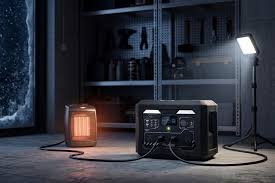
Hurricanes can bring powerful winds, heavy rainfall, flooding, and widespread power outages. Even after a storm passes, electricity may remain unavailable for hours or days while utility crews repair damaged infrastructure. For homeowners and businesses, having reliable hurricane backup power can make a major difference in safety, comfort, communication, and emergency preparedness.
A backup power system provides electricity when the main utility supply fails. Depending on your needs, this may include a portable power station, generator, battery backup system, or whole-home standby generator. Choosing the right solution requires understanding your essential electrical needs, expected outage duration, and the conditions that hurricanes can create.
Electricity supports many essential parts of everyday life. During a hurricane-related outage, a lack of power can affect refrigeration, lighting, communication equipment, internet connections, medical devices, and heating or cooling systems.
A dependable hurricane backup power solution helps keep critical equipment operating when the electrical grid is unavailable. It can also provide useful lighting at night and allow residents to charge phones and other communication devices.
For businesses, backup electricity can help protect computers, networking equipment, security systems, and other important technology. The goal is not necessarily to power every electrical appliance but to maintain the systems that matter most during an emergency.
There are several backup power options available, and each has different advantages.
Portable generators are a traditional choice for emergency electricity. They can provide substantial power for appliances such as refrigerators, lights, fans, and selected household equipment.
However, generators that use fuel must be operated carefully. They should always be placed outdoors in a properly ventilated area and away from doors, windows, and other openings. Carbon monoxide can be extremely dangerous, so generators should never be operated inside a home, garage, or enclosed space.
Battery-powered portable power stations have become another popular option. They store electricity in an internal battery and can power or recharge devices without producing exhaust fumes.
They can be useful for phones, laptops, lights, routers, small appliances, and other electronics. Some models can also be recharged using solar panels, which may be helpful during longer outages.
A home battery system can store electricity and provide power when the grid goes down. Depending on the system’s capacity and installation, it may support selected circuits or a larger portion of a home.
Battery systems are especially attractive to homeowners who want a quieter backup solution without fuel storage. They can also work alongside solar energy systems in some installations.
A standby generator is permanently installed and connected to a home’s electrical system. Many systems can detect a power outage and automatically start, making them convenient during severe weather.
These systems can be configured to support essential circuits or, depending on their capacity, a large portion of the home. Professional installation is important to ensure the system operates safely and correctly.
Before selecting hurricane backup power, make a list of the equipment you consider essential. Common priorities include:
- Refrigerator and freezer
- Lights
- Fans
- Phone chargers
- Wi-Fi router and modem
- Computers
- Security systems
- Garage door equipment
- Selected kitchen appliances
- Medical equipment that requires electricity
Each device has a different power requirement. Some appliances also require additional starting power when their motors turn on.
Instead of choosing a backup system based only on the wattage of one appliance, calculate the combined requirements of the devices you expect to operate at the same time. This can help prevent overloading the backup system.
The best time to prepare for a hurricane-related outage is before a storm is approaching. Waiting until the last minute can make it difficult to find equipment, fuel, batteries, or professional installation services.
Start by testing your backup equipment regularly. For a generator, check its condition according to the manufacturer’s instructions. If your system uses fuel, store fuel safely and follow local regulations.
For battery systems, keep the battery charged and check the manufacturer’s recommendations for storage and maintenance.
It is also useful to create an emergency power plan. Decide which appliances and rooms are priorities and determine how you will connect them to your backup system.
Safety should always be the highest priority when using hurricane backup power.
Fuel-burning generators produce carbon monoxide, an invisible and odorless gas that can become dangerous in enclosed spaces. Never use a fuel-burning generator inside a house, garage, basement, shed, or other enclosed location.
Electrical connections also require care. A portable generator should not be connected directly to household wiring unless the appropriate equipment has been professionally installed. Improper connections can create serious electrical hazards and potentially send electricity back into utility lines.
Keep generators and electrical equipment protected from rain and standing water according to the manufacturer’s safety instructions. Water and electricity can create dangerous conditions, particularly during flooding.
Solar energy can complement hurricane backup power, particularly during longer outages. Solar panels can recharge compatible battery systems when sunlight is available.
Solar backup systems may reduce dependence on fuel and provide another method of restoring stored energy. However, severe storms can produce cloudy conditions, so solar generation should be considered as part of a broader emergency plan rather than the only source of electricity.
A properly sized battery combined with solar charging can provide flexibility for households that want a renewable backup option.
Power interruptions can sometimes involve voltage fluctuations when electricity returns. Sensitive electronics may benefit from appropriate surge protection or an uninterruptible power supply, depending on the equipment.
Computers, networking equipment, communication devices, and other sensitive electronics should be protected according to manufacturer recommendations. Important digital information should also be backed up before hurricane season.
Regular maintenance can improve the reliability of your emergency power system. Follow the manufacturer’s maintenance schedule and inspect equipment before hurricane season.
For generators, this may include checking oil, filters, batteries, fuel systems, and other components as specified by the manufacturer. Battery systems should also be inspected and maintained according to their instructions.
It is helpful to perform a test run before severe weather arrives. This gives you an opportunity to identify problems while there is still time to resolve them.
Backup electricity is only one part of hurricane preparedness. A complete plan should also include drinking water, nonperishable food, flashlights, batteries, first-aid supplies, important documents, communication methods, and emergency contacts.
Keep your backup equipment in an accessible location where it can be safely deployed when necessary. Make sure everyone in the household understands the basic safety procedures.
If evacuation becomes necessary, follow instructions from local emergency authorities rather than remaining at home simply because backup power is available.
Reliable hurricane backup power can provide valuable support when severe weather causes an extended electricity outage. From portable power stations and battery systems to portable and standby generators, there are options for different homes, budgets, and energy requirements.
The most important steps are to identify essential electrical loads, select an appropriately sized system, prepare before hurricane season, maintain equipment regularly, and follow strict safety practices. With thoughtful planning, backup power can help keep critical devices running and make difficult storm-related outages more manageable.