
 By Admin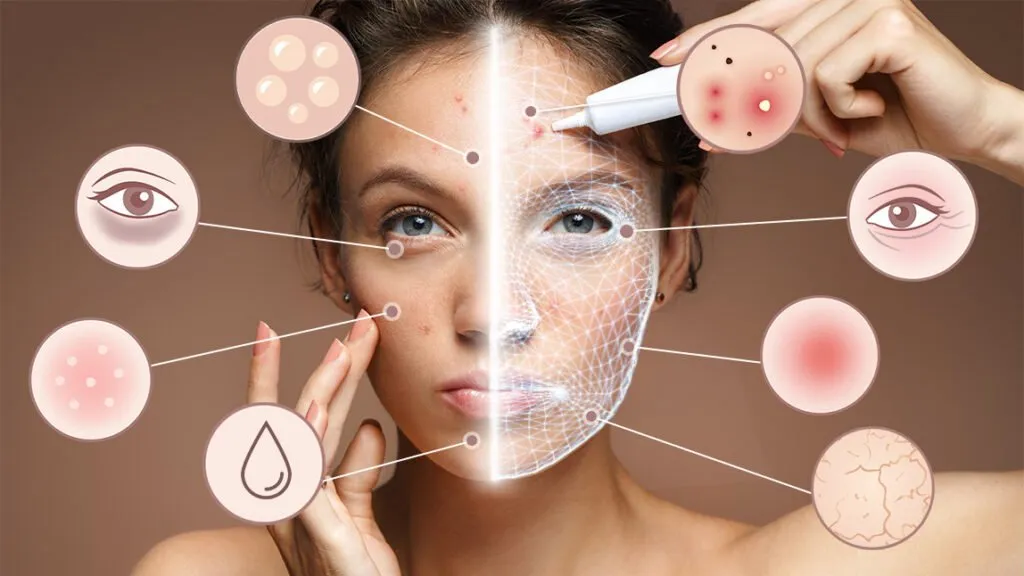
Skin health has become a major focus in modern healthcare as people seek accurate, convenient, and personalized solutions for understanding their skin conditions. Traditional dermatology methods have provided valuable results for decades, but technological advancements are now transforming how professionals and individuals evaluate skin concerns. Advanced skin analysis powered by artificial intelligence and digital health is introducing faster assessments, improved accuracy, and smarter approaches to skincare management.
For many years, skin evaluations depended mainly on visual examinations performed by dermatologists. While expert observation remains important, human assessment can sometimes be influenced by experience, lighting conditions, or subtle changes that are difficult to detect. Digital health technologies have created new opportunities by combining high-resolution imaging, machine learning, and data-driven analysis to provide deeper insights into skin conditions.
Modern skin analysis systems use artificial intelligence algorithms trained on thousands or even millions of skin images. These systems can identify patterns associated with common concerns such as acne, pigmentation, wrinkles, redness, dryness, and other visible skin changes. By analyzing detailed information from digital images, AI-powered platforms help create a more complete understanding of individual skin needs.
Artificial intelligence plays a central role in improving the accuracy and efficiency of modern skincare assessments. AI technology can process large amounts of visual data within seconds, detecting details that may not always be noticeable through a standard examination. This allows users and healthcare professionals to gain a clearer picture of skin conditions.
Machine learning models continuously improve as they analyze more information. When exposed to diverse skin types, ages, and conditions, AI systems become better at recognizing different patterns and providing relevant insights. This ability makes artificial intelligence an effective tool for supporting personalized skincare recommendations.
Advanced skin analysis platforms can evaluate multiple factors, including texture, moisture levels, pore visibility, fine lines, dark spots, and signs of environmental damage. Instead of focusing on only one visible issue, these systems provide a broader assessment of overall skin health.
Digital health has changed the way people access medical and wellness services. With smartphones, connected devices, and online platforms, individuals can now monitor their skin without always needing an immediate in-person consultation. This convenience is especially valuable for people who want regular tracking of changes over time.
Remote monitoring tools allow users to capture images of their skin at different intervals and compare changes through digital records. Healthcare providers can use this information to monitor progress, evaluate treatment responses, and identify potential concerns earlier. This approach supports preventive care and encourages individuals to take a more active role in managing their skin health.
Teledermatology is another area benefiting from AI-driven skin analysis. Patients can share digital images with specialists, allowing professionals to review conditions remotely and provide guidance. Artificial intelligence can assist by organizing information, highlighting areas of interest, and supporting clinical decision-making.
Modern skin analysis methods rely on advanced imaging technologies to collect detailed information about the skin surface. High-resolution cameras, specialized sensors, and computer vision tools help capture features that may not be visible under normal conditions.
Some digital systems use multi-spectrum imaging, which examines the skin using different light wavelengths. This technology can reveal information about pigmentation changes, sun damage, and deeper skin characteristics. These insights help create more detailed evaluations compared with traditional visual assessments.
Three-dimensional imaging is also becoming increasingly popular in cosmetic dermatology and skincare research. By creating digital representations of the face, these systems can measure changes in volume, contours, and aging patterns. This allows professionals to evaluate treatment outcomes with greater precision.
One of the biggest advantages of AI-powered skin analysis is personalization. Everyone’s skin is different, and factors such as genetics, lifestyle, environment, and daily habits influence skin health. Artificial intelligence can analyze individual information to provide recommendations based on specific needs.
Instead of offering general skincare advice, intelligent platforms can suggest routines designed for particular concerns. For example, a person experiencing dryness may receive recommendations focused on hydration, while someone dealing with uneven skin tone may receive suggestions related to brightening and protection.
Personalized recommendations also help users understand why certain products or treatments may work better for them. By combining skin analysis results with digital health data, AI systems create a more customized skincare experience.
Early identification of skin changes is essential for maintaining healthy skin and addressing potential medical concerns. Artificial intelligence has shown promise in supporting the detection of unusual patterns that may require professional evaluation.
AI-based systems can analyze images for irregular features, changes in moles, or other visible signs that may need further attention. While these technologies are designed to support healthcare professionals rather than replace them, they provide valuable assistance in improving awareness and encouraging timely consultations.
The combination of artificial intelligence and expert medical knowledge creates a stronger approach to monitoring skin conditions. Digital tools can help organize information, while dermatologists provide professional judgment and treatment decisions.
The integration of artificial intelligence into skincare provides several important benefits. One major advantage is accessibility. People can use digital tools to gain insights about their skin from almost anywhere, reducing barriers to basic assessments.
Speed is another significant benefit. Traditional evaluations may require appointments and waiting periods, while AI systems can analyze images quickly and provide immediate feedback. This allows users to better understand their skin concerns and decide on appropriate next steps.
Consistency is also improved through technology. AI systems follow programmed analytical processes, reducing variations that can occur between different evaluations. This makes digital assessments useful for tracking progress over time.
The future of skin analysis is expected to become even more advanced as artificial intelligence technology continues to evolve. Improvements in machine learning, wearable devices, and health data integration will create new opportunities for smarter skincare solutions.
Future platforms may combine information from environmental sensors, lifestyle tracking devices, and medical records to provide a complete picture of skin health. These innovations could help individuals prevent problems before they become serious and encourage more proactive skincare habits.
Artificial intelligence may also support research by analyzing large collections of skin data, helping scientists discover new patterns and develop improved treatments. As technology becomes more accurate and accessible, digital health solutions will continue to reshape the skincare industry.
Advanced skin analysis methods powered by artificial intelligence and digital health are transforming how people understand and manage their skin. Through intelligent imaging, machine learning, remote monitoring, and personalized recommendations, these technologies provide deeper insights and more convenient solutions.
Although AI cannot replace professional dermatological expertise, it serves as a powerful support tool that enhances detection, tracking, and skincare planning. As digital health continues to develop, artificial intelligence will play an increasingly important role in creating smarter, more personalized, and accessible approaches to maintaining healthy skin.