
 By Admin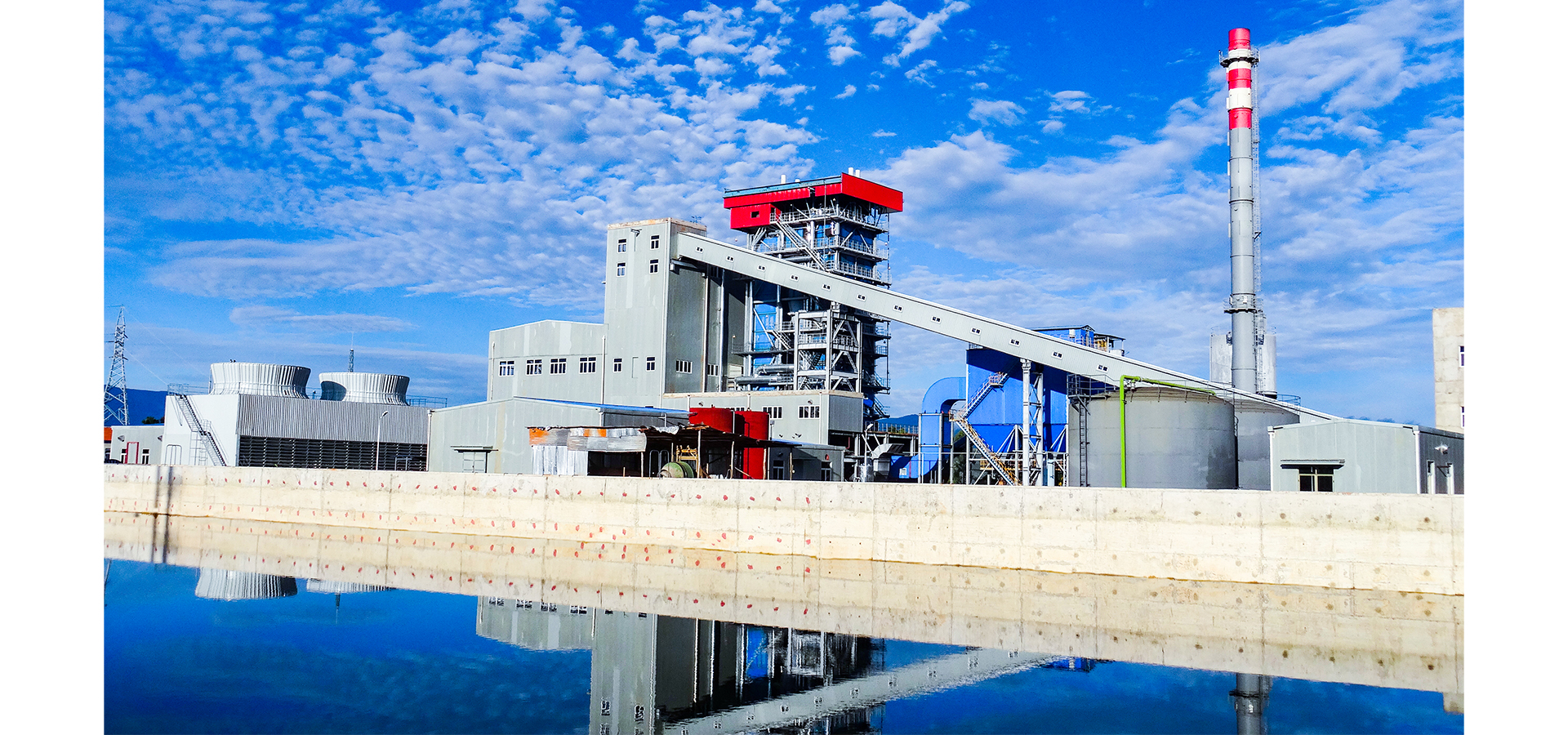
The global demand for reliable and efficient power generation continues to grow as industries, businesses, and communities require stable electricity supplies. To meet these demands, many investors and energy developers choose turnkey power plant construction solutions that provide a streamlined approach from project conception to final commissioning. A turnkey model allows a single contractor to manage every phase of the project, reducing complexity, minimizing risks, and ensuring seamless coordination throughout the construction process.
As a leading player in the energy sector, RUNH POWER delivers comprehensive engineering, procurement, and construction services, helping clients develop power generation facilities that meet performance, efficiency, and environmental standards. From initial planning to commercial operation, turnkey solutions offer significant advantages for modern power projects.
Turnkey power plant construction refers to a project delivery method in which one contractor assumes responsibility for the entire development process. The contractor handles engineering design, equipment procurement, construction, installation, testing, and commissioning. Once completed, the facility is delivered to the client in a fully operational condition.
This approach eliminates the need for multiple contractors and simplifies project management. Clients benefit from a single point of contact, making communication more efficient and reducing the likelihood of delays caused by coordination issues.
RUNH POWER utilizes this model to provide integrated solutions that ensure every aspect of the project aligns with technical specifications, budget requirements, and operational goals.
Successful power plant development begins with thorough planning and feasibility analysis. Before construction starts, engineers must evaluate site conditions, energy demand forecasts, fuel availability, environmental considerations, and regulatory requirements.
A detailed feasibility study helps determine the most suitable technology and plant configuration for the project. During this phase, factors such as power output, operational efficiency, maintenance requirements, and future expansion potential are carefully assessed.
For projects involving small-scale power plant designs, planning becomes especially important because these facilities often serve specific industrial operations, remote communities, or localized energy networks. Proper design ensures maximum efficiency while maintaining cost-effectiveness.
The engineering phase serves as the foundation of every successful power generation project. Engineers develop detailed technical specifications, plant layouts, equipment selections, and system integration plans that guide the construction process.
Modern power plants require sophisticated systems that work together seamlessly, including:
- Boiler systems
- Turbine generators
- Fuel handling systems
- Water treatment facilities
- Emission control technologies
- Electrical distribution systems
- Automation and control systems
RUNH POWER emphasizes precision engineering to optimize plant performance and operational reliability. Through advanced design methodologies, projects can achieve higher efficiency levels while reducing environmental impact.
When creating small-scale power plant designs, engineers focus on flexibility, scalability, and ease of operation. These facilities often require customized solutions that can adapt to changing energy demands while maintaining high performance standards.
Equipment procurement is one of the most critical components of turnkey power plant construction. Power generation facilities rely on numerous specialized components that must meet strict quality and performance standards.
The procurement process involves:
Experienced EPC contractors identify reliable suppliers capable of delivering high-quality equipment on schedule.
Every component undergoes rigorous inspection and verification procedures to ensure compliance with project specifications.
Power plant equipment often includes large and complex machinery that requires careful transportation planning and site delivery management.
RUNH POWER leverages its extensive industry experience and global supply chain capabilities to procure equipment efficiently while maintaining quality standards throughout the project lifecycle.
Once engineering and procurement activities are completed, physical construction begins. This stage transforms project plans into a functioning power generation facility.
Construction activities typically include:
- Site preparation
- Foundation construction
- Structural steel installation
- Mechanical equipment installation
- Electrical system implementation
- Control system integration
- Utility connections
Effective construction management is essential for maintaining project schedules and controlling costs. A turnkey contractor coordinates all on-site activities, ensuring that different teams work together efficiently and safely.
Advanced project management techniques help identify potential challenges before they impact progress, allowing timely corrective actions that keep projects on track.
The growing demand for decentralized energy solutions has increased interest in small capacity power plant EPC projects. These facilities provide reliable power generation for industrial plants, commercial operations, isolated regions, and emerging markets.
Compared to large utility-scale plants, small-capacity facilities offer several advantages:
Smaller projects generally require shorter construction timelines, enabling quicker access to power generation capacity.
Reduced capital requirements make these projects attractive to a broader range of investors and organizations.
Small-capacity plants can be tailored to specific energy demands and operational requirements.
Localized power generation reduces dependence on centralized grids and improves reliability.
RUNH POWER provides customized small capacity power plant EPC solutions that address the unique requirements of each project while maintaining high standards of efficiency and reliability.
Quality assurance and safety management play essential roles throughout every phase of power plant development. Strict quality control procedures ensure that materials, equipment, and construction activities meet established standards.
Key quality management activities include:
- Material inspections
- Equipment testing
- Construction audits
- Performance verification
- Documentation review
Safety is equally important. Power plant construction involves complex operations that require comprehensive safety protocols to protect workers, equipment, and surrounding communities.
RUNH POWER implements rigorous safety programs and quality management systems that support successful project execution while minimizing risks.
Commissioning represents the final stage of turnkey power plant construction and serves as the bridge between construction completion and commercial operation.
During commissioning, engineers verify that all systems function according to design specifications. This process includes:
Individual equipment components undergo inspections and operational verification.
Electrical systems are tested for safety, performance, and reliability.
All plant systems operate together under simulated and actual operating conditions.
Engineers measure efficiency, output capacity, and operational stability to confirm contractual performance requirements.
Successful commissioning ensures that the power plant is fully prepared for long-term operation and delivers expected performance levels from day one.
Selecting an experienced turnkey EPC contractor provides numerous advantages for project owners.
Clients work with one organization throughout the entire project lifecycle, simplifying communication and accountability.
Integrated management minimizes coordination challenges and helps prevent costly delays.
Comprehensive planning and execution improve budget predictability and resource utilization.
Centralized project management enhances coordination and supports timely completion.
Experienced EPC providers bring specialized knowledge that improves plant performance and operational efficiency.
RUNH POWER combines engineering expertise, project management capabilities, and industry experience to deliver comprehensive turnkey solutions that meet client expectations and support long-term success.
The development of modern power generation facilities requires careful planning, advanced engineering, efficient procurement, and disciplined project execution. Turnkey power plant construction provides an effective solution by integrating all project phases under a single contractor, reducing complexity and improving overall project outcomes.
From feasibility studies and engineering design to equipment procurement, construction, and commissioning, turnkey delivery ensures seamless coordination and reliable performance. Whether developing large utility facilities or implementing small-scale power plant designs, the turnkey approach offers significant advantages in efficiency, quality, and risk management.
As demand continues to grow for flexible and reliable energy solutions, small capacity power plant EPC projects are becoming increasingly important. With its comprehensive expertise and commitment to excellence, RUNH POWER remains a trusted partner for delivering successful power plant projects from design to commissioning.