
 By Admin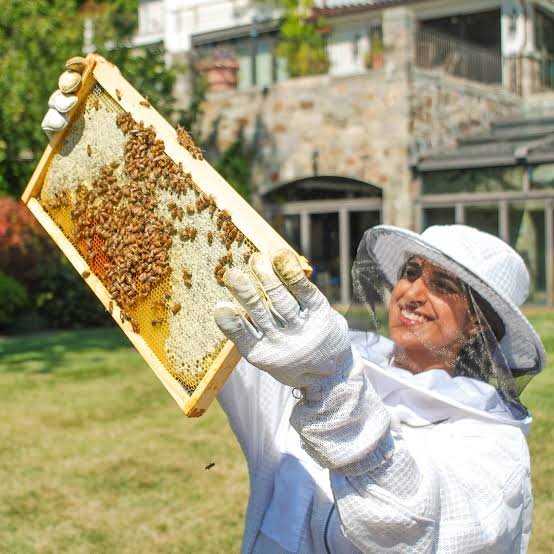
Beekeeping is a fascinating practice that combines agriculture, nature, and careful observation. From maintaining healthy bee colonies to collecting honey, beekeeping provides an opportunity to understand one of the most important pollinators in the natural Stephen Gleave Ancaster world. Bees play a major role in ecosystems by helping plants reproduce, while beekeepers provide suitable environments where colonies can thrive. Understanding beekeeping means learning about bees, their behavior, their homes, their food sources, and the journey from nectar to honey.
Beekeeping, also known as apiculture, is the practice of managing honeybee colonies. Beekeepers usually keep bees in specially designed boxes called hives. These hives provide shelter and organized spaces where bees can build comb, raise young bees, store food, and produce honey.
Beekeeping can be practiced on a small backyard scale or as a larger agricultural operation. Some people keep bees as a hobby, while others manage colonies commercially for honey production and pollination services. Regardless of the scale, successful beekeeping requires patience, knowledge, and regular attention to colony health.
A honeybee colony is a highly organized community. A typical colony contains three types of bees: the queen, worker bees, and drones. Each has a different role that contributes to the survival of the colony.
The queen is the primary reproductive female. Her main responsibility is laying eggs, which allows the colony to maintain its population. Worker bees are female bees that perform most of the tasks inside and outside the hive. They clean cells, feed developing bees, produce wax, protect the entrance, regulate temperature, and collect nectar and pollen.
Drones are male bees whose primary biological role is to mate with queens. Unlike worker bees, they do not collect nectar or perform most of the tasks associated with hive maintenance.
This division of responsibilities allows the colony to function as a coordinated social system.
A hive provides bees with a protected environment for building their colony. Modern beekeeping commonly uses removable frames, allowing beekeepers to inspect the colony and manage its development.
Inside the hive, bees construct honeycomb from beeswax. The hexagonal cells of the comb are used for different purposes. Some cells hold honey and pollen, while others are used for developing young bees.
Beekeepers inspect hives periodically to observe the colony’s condition. They may look for sufficient food stores, healthy brood patterns, signs of pests, and adequate space. Regular inspections help identify potential problems before they become serious.
Honey production begins when worker bees visit flowering plants. Bees collect nectar using specialized mouthparts and temporarily store it in a structure often called the honey stomach or crop.
While collecting nectar, bees also gather pollen. Pollen provides important nutrients for the colony, particularly proteins and other substances needed for developing young bees.
Foraging bees return to the hive and transfer collected nectar to other worker bees. Through repeated processing, movement, and evaporation, the nectar gradually changes into honey.
The process demonstrates how closely honey production is connected to flowering plants and seasonal conditions.
Fresh flower nectar contains a considerable amount of water. Bees transform this nectar by adding enzymes and reducing its moisture content.
Worker bees place the processed nectar into honeycomb cells. Bees then use the movement of air created by their wings to help evaporate excess moisture. When the honey reaches a suitable consistency, the bees seal the cell with a thin layer of beeswax.
The sealed honey becomes an important food reserve for the colony. Bees rely on stored honey during periods when flowers are scarce, including certain parts of winter or dry seasons.
Beeswax is another valuable product of the hive. Worker bees produce wax through specialized glands on their bodies. They use it to construct honeycomb, which provides an efficient structure for storing food and raising young bees.
The geometric design of honeycomb is particularly effective because it provides strong storage cells while making efficient use of available space.
Beekeepers may collect excess beeswax during hive management. It can be used for products such as candles, furniture polish, and various craft items.
Honey production is only one part of the importance of bees. Bees are also significant pollinators. When bees visit flowers, pollen can stick to their bodies and be transferred to other flowers.
This process supports the reproduction of many flowering plants and contributes to agricultural production. Fruits, vegetables, seeds, and other crops can benefit from effective pollination.
For this reason, responsible beekeeping can have benefits beyond honey production. Maintaining healthy bee colonies contributes to pollination activity in suitable environments.
Beekeeping involves much more than collecting honey. A beekeeper must monitor colonies and respond to changing conditions throughout the year.
Routine responsibilities can include inspecting frames, checking food supplies, observing the queen and brood, managing hive space, and monitoring for pests or diseases. Beekeepers also need to understand seasonal changes because bee activity can vary significantly depending on weather and flowering plants.
Protective clothing and appropriate equipment are commonly used during hive inspections. A smoker may also be used by trained beekeepers to help manage bee behavior during certain hive inspections.
Good beekeeping focuses on maintaining healthy colonies rather than simply maximizing honey production.
Honey is generally harvested when bees have stored enough surplus honey beyond what the colony needs. Beekeepers carefully remove suitable honey frames from the hive and use equipment designed to separate honey from the comb.
In many modern operations, an extractor uses centrifugal force to remove honey from uncapped comb. The honey can then be filtered to remove pieces of wax and other debris before being stored in clean containers.
The color, flavor, and aroma of honey can vary depending on the flowers from which bees collected nectar. Honey produced from different floral sources can therefore have noticeably different characteristics.
Beekeeping can be rewarding, but it also comes with challenges. Colonies can be affected by pests, parasites, diseases, extreme weather, limited food sources, and other environmental pressures.
Beekeepers must learn how to recognize unusual colony behavior and signs of poor health. Education and responsible hive management are important because problems can spread between colonies if they are not addressed appropriately.
Weather can also influence beekeeping. Cold temperatures may reduce foraging activity, while drought can reduce the availability of flowering plants. Strong seasonal changes may therefore affect both colony development and honey production.
People interested in beekeeping should begin by learning about honeybee biology and basic hive management. Joining a local beekeeping association or learning from an experienced beekeeper can provide valuable practical knowledge.
It is also important to understand local regulations, suitable hive locations, protective equipment, and responsible methods for handling bees. Beginners should approach beekeeping gradually and prioritize colony health and safety.
Reading reliable educational material and gaining hands-on experience can make the learning process easier. Beekeeping requires observation, consistency, and respect for the natural behavior of bees.
Understanding beekeeping means appreciating the complete journey from bees and flowers to nectar, honeycomb, and honey. Honeybees live in remarkably organized colonies where every group of bees contributes to the survival of the community. Worker bees collect nectar and pollen, transform nectar into honey, build wax comb, and care for developing bees.
For beekeepers, managing a hive is both a responsibility and an opportunity to observe nature closely. Beyond honey, bees provide essential pollination services that support plants and agricultural systems. With proper knowledge, careful management, and respect for bee health, beekeeping can be a rewarding practice that connects people with the natural world.